“The people of Fresnillo are noble, honest, hardworking and responsible.”
Inside Mexico Manufacturing: Fresnillo Works
A culture story told through lived experience, grounded in people and place
“The people of Fresnillo are noble, honest, hardworking and responsible.”
— Jesús Mario Rodríguez, Plant Manager, Axiom North America
Long before a single factory opened in Fresnillo, Zacatecas, the ground beneath it had already shaped its people.
The barretero, the miner who digs silver from the groundwith a steel bar, by hand, in the dark, belongs to this land the way the high desert air does. For generations, Fresnillo built its identity around work that was physical, exacting and unforgiving. The minerals beneath these hills took millennia to form. So did the people above them.
That heritage doesn't disappear when a manufacturing campus opens nearby. It shows up on the floor every day. Jesús Mario Rodríguez, Axiom Plant Manager, has been watching it show up and evolve for 17 years.
A Career Built on Reading Rooms
Jesús Mario grew up in Linares, Nuevo León, where your options for working were a bank, a store, or the fields. Then, in 1989, Packard Electric System, now known today as Aptiv, arrived and opened a plant. “There was a lot of curiosity about what was arriving,” he recalls. “People in a small town wondering if they were going to be building computers.”
His family urged caution. He had a stable bank job. “My family criticized me. Why are you leaving the bank to work as an operator?” But Jesús Mario had already decided. The job itself wasn’t the point. The journey was.
He finished his degree while working. Aptiv sent him to Montreal on the Firebird and Camaro build, then Michigan, Venezuela, Portugal. Each assignment a few months, each one sharpening his ability to walk into a room and read what was actually happening between people: the unspoken rules about authority trust, and what good work looks like in a given culture.
Around 2001-2002, with Delphi, he landed in Guadalupe, Zacatecas. The rotations had always felt temporary. But this time, Zacatecas didn’t. “The climate, the fact that it’s a small city that has everything you need,” he says. His family put down roots.
Then former colleagues mentioned a fishing rod plant in Fresnillo, a product with no manufacturing tradition in Mexico, still learning how to adapt to the local culture and workforce. They thought it might suit him. He liked challenges, so he reached out to Entrada Group, and they invited him to tour the operation.
The Room Told Him Everything
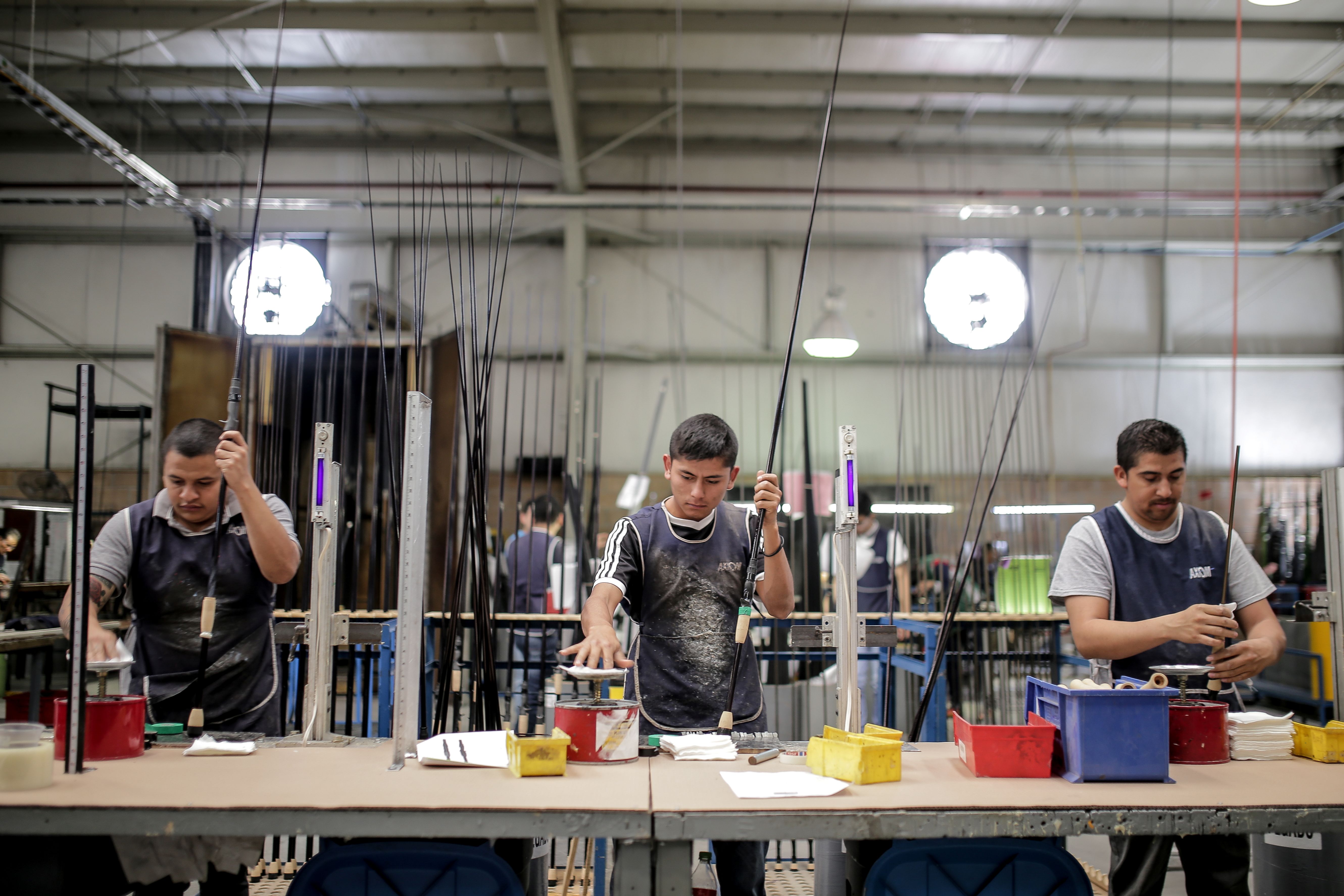
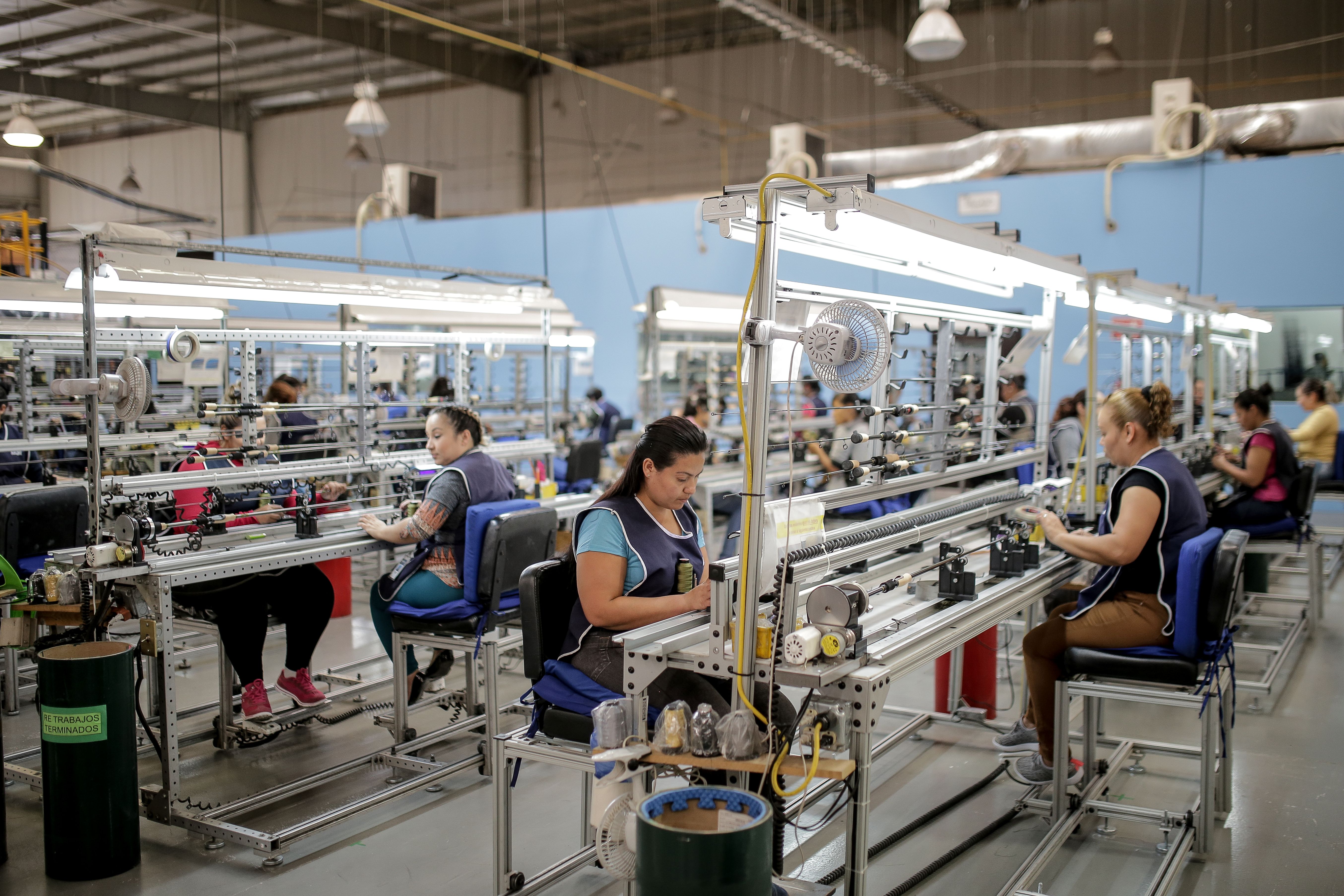
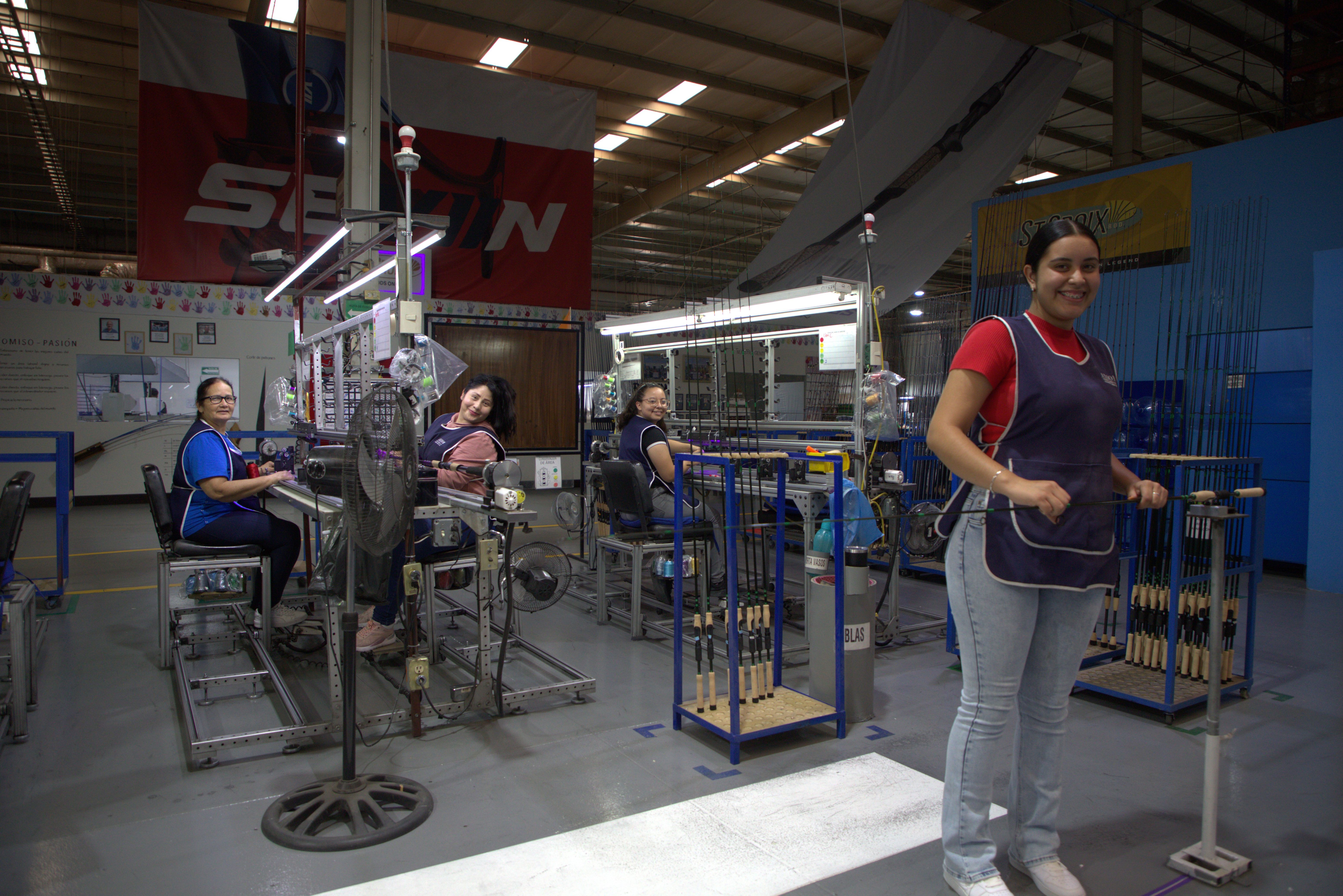
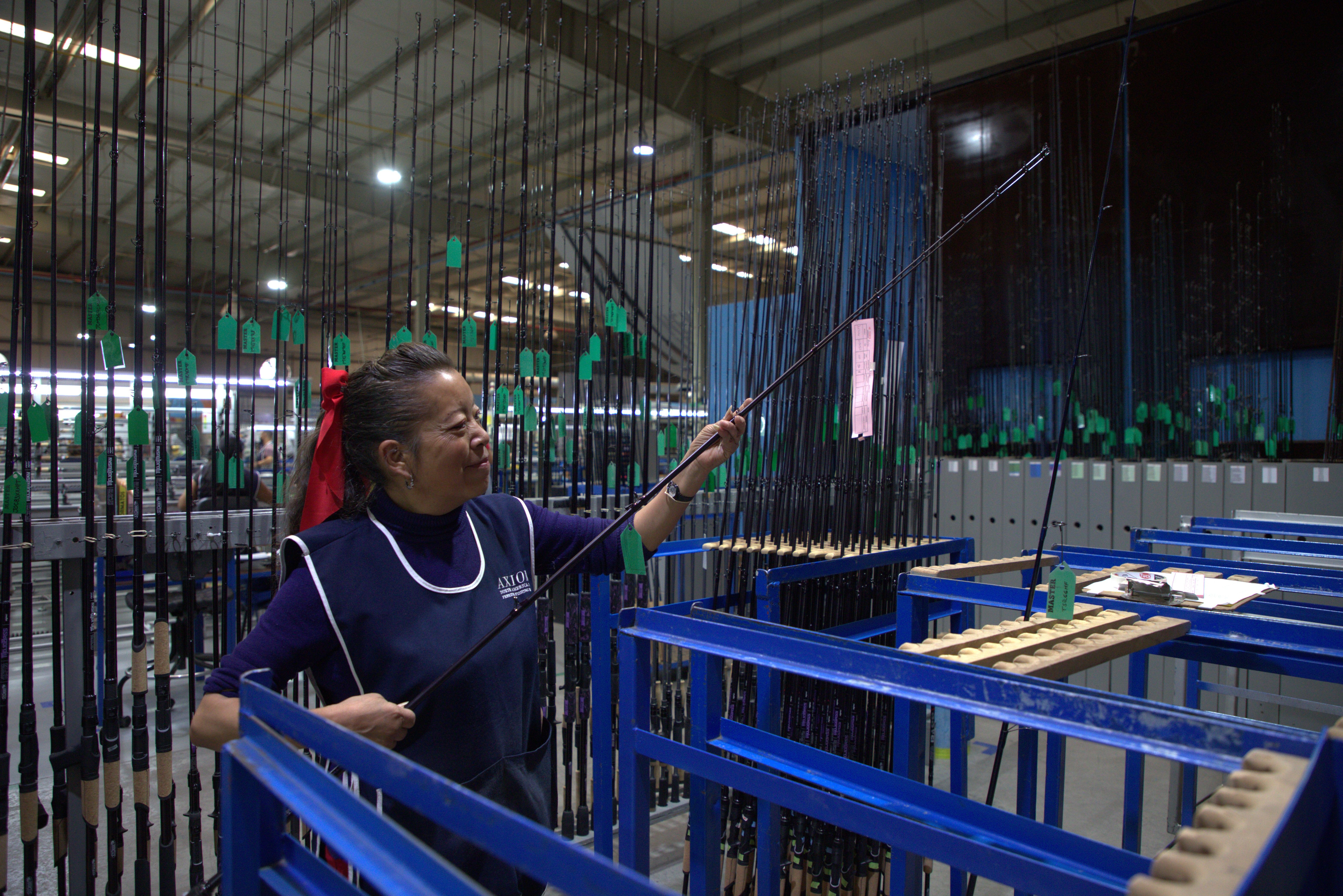
Axiom North America assembles St. Croix Rods at Entrada Group’s manufacturing campus in Fresnillo. Fishing rod manufacturing is what Jesús Mario calls a “León Rasurado,” which literally translates to a shaved lion. It’s a craft, completely artisanal, entirely different from the repeatability of the automotive industry. Each blank is built by hand, with feel, over a ten-to-twelve minute cycle. It’s an almost artistic production endeavor
But the product wasn’t what caught his eye when he walked the floor.
What he saw was something very simple – worry. Operators who were committed but had no sense of where to direct that energy. He’d read enough rooms across enough countries to recognize this one immediately: it wasn’t disengagement. The people were deeply invested, anxious to do right by the work. They just had no organizing principle to rally around.
The operators were not the problem. The room was. He knew instinctively that a significant culture shift would be needed.
Entrada Group was already providing support at the director level while searching for the right permanent manager. What Jesús Mario found was a leadership gap, not a labor gap. “I believed in this project,” he says. Not just for himself, but for those people and their families. “I felt it necessary. And I chose Axiom.”
Building the Right Room
The first thing Jesús Mario changed wasn’t a process or a productivity target. It was the culture, and he built it deliberately, the way you build anything meant to last.
He’d seen what fear-based environments produce: people who do exactly what they’re told, heads down, giving you what you asked for and nothing beyond it. “You can design a process that’s reasonably good from an engineering standpoint,” he says, “but if people are on your side, they’ll make it work. Or you can have an extraordinary engineering design, and if people aren’t on your side, it won’t run.”
The room also had to be specific to Fresnillo. The culture has to grow from the people already inside it, not be imported from somewhere else.
So he started with dignity. Workstations became real workspaces that people would be proud to call their own. Birthdays would get marked with a small meal from a local provider — something that sounds minor until you hear operators say he’s the only one who ever wished them a happy birthday. There would be zero tolerance for harassment.
He has one standard for every decision: if his daughter worked here, what would he want for her?
The leadership structure got inverted. The operator’s needs come first, and everyone else exists to meet them. “Not ordering them around,” he says. “Covering their needs in every sense: infrastructure, resources, treatment, training. And above all, you are a person, not a machine.”
The Round Table
Six years ago, Jesús Mario added what he considers the most important fixture at Axiom. Every Wednesday morning he sits with eight or nine operators selected by rotating calendar, so no supervisor can prepare anyone in advance. No coaching. No curated answers. He calls it the Round Table, and the rules are simple: honesty and no intimidation.
Every operator concern, issue or question raised gets documented and sent to department heads the same day, and his assistant follows up directly to confirm resolution.
“If people come and you hear them but don’t act, you lose them,” he says. “Once I evaluate a need as real, the response is imperative. That’s when people say: yes, this works. I’ve been heard, and something actually happens.”
Six years in, the backlog of unmet needs has nearly disappeared. The floor sends up ideas now, not just complaints.
The Community Inside the Room
Round Tables address needs. Events build something harder to measure, planned twelve months in advance so the effort is deliberate, not improvised.
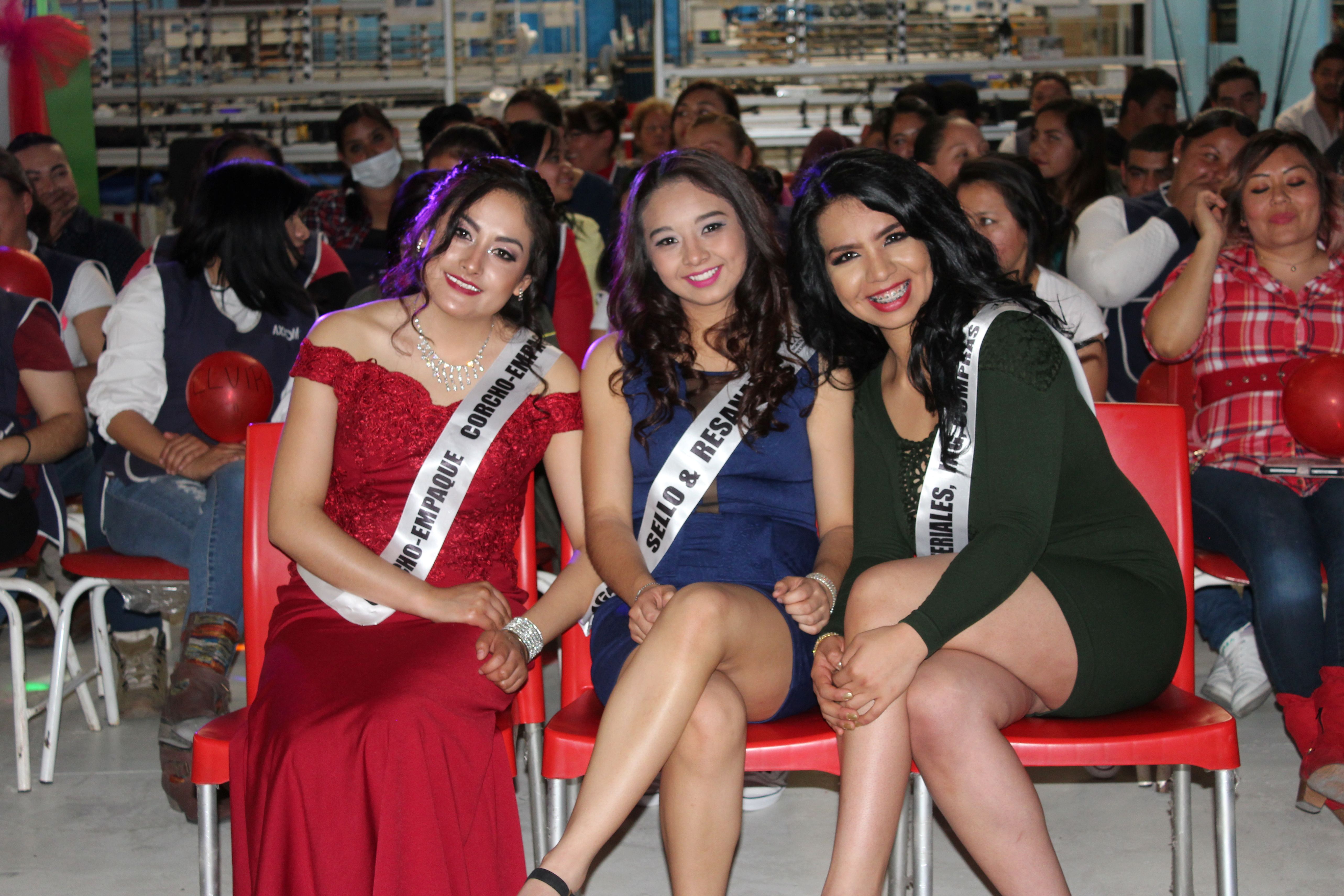
Valentine’s Day features a Miss Axiom competition, but appearance isn’t the point. Each team completes a community project first, documented and filmed. One group covered a cancer patient’s transportation costs for treatment in Zacatecas. Another built a room for a family in need. A third provided a wheelchair. The strongest community efforts become the finalists, with presentation factoring in only after that.
“Think about everything that process involves,” Jesús Mario says. “Teams fundraising, running food stalls, pulling resources together to give to someone else. And people start to realize: I have needs, but there are people with greater ones.”
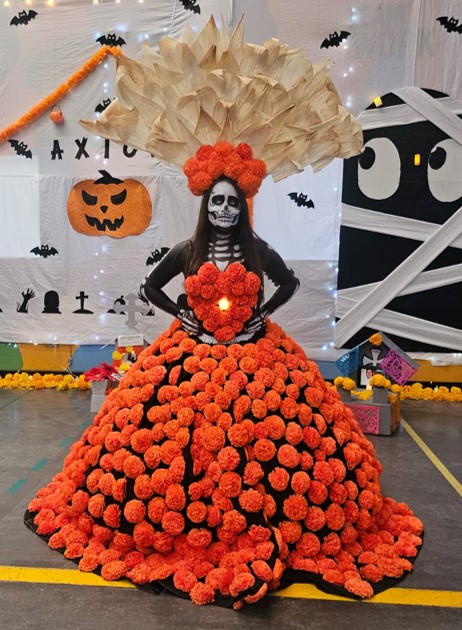
The Halloween competition rewards full team participation, not the best individual costume. The Christmas showcase features original performances: theater, carols, original songs written by the people who work there. “The process behind the event,” he says, “generates the real integration.” What matters is everything they needed to do to get there.
What Fresnillo Already Knew
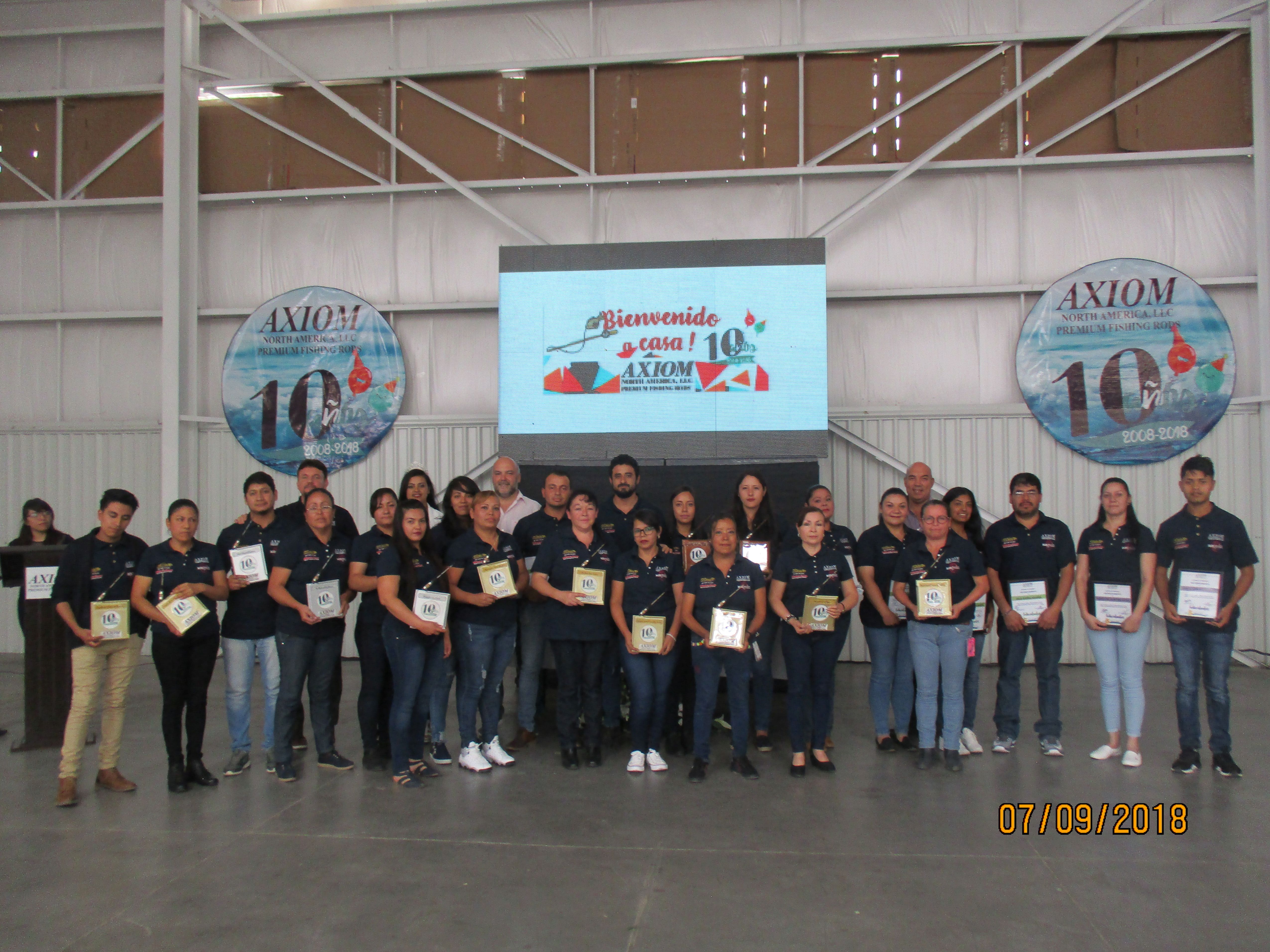
The plant has grown from 70 people when Jesús Mario arrived to approximately 230 today, with roughly 60 percent more growth expected. The challenge is absorbing that growth without the customer ever feeling it. “How do you grow production by more than half,” he asks, “and make it transparent to the customer?” His answer has always been the same. Build the right room. The results follow.
The plant has grown from 70 people when Jesús Mario arrived to approximately 230 today, with roughly 60 percent more growth expected.
He’s turned down other offers. “For the welleing I have here, the way I feel personally, the family stability,” he says, “it’s not even a question.” No single moment made Fresnillo home. Things fell into place overtime: the climate, the community, the work, the people who showed up every day with something to give and just needed someone to meet them there.
The workforce wasn’t built by a factory. It arrived shaped, by generations of people who understood that work isn’t what you do for a paycheck. It’s how you show what you’re made of. Jesús Mario spent years learning to read rooms. In Fresnillo, he walked into the right one. Not a workforce in trouble. A culture waiting for the right conditions.
The operators at Axiom prove what’s possible inside them.
Download the
case study